
Year 7 in October: The Point Where Everyone Stops Pretending
First of all, I apologise for the swear word - I have spoken to so many parents this week where the wheels have come off and school is just asking, “Why are they not in school?” it is the best place for them. Nobody tells you that the first fortnight is the easy part. Nobody tells you that week three is the tipping point. And absolutely nobody tells you that October is where the whole system starts to creak and fall down around your ears. Seen it repeat itself year after year.
Teachers are tired. Children are f***ing exhausted. Parents are running on caffeine, panic, and whatever’s left in the biscuit tin.
Year 7 kids are starting to refuse school. Your Year 2 has lost the plot and kicked little Johnny four times this week — as his mother kindly shared with you, not the school. And your four‑year‑old is baffled that this place is still open five days a week, for six hours, with noise, smells, adults three times his size, and absolutely no concept of where he fits into any of it.
This is the part of the term nobody prepares you for.
The October Reality: Everyone Is Running Out of Steam
Week one is novelty. Week two is cracks. Week three is honesty. Week four is survival.
By October, ADHD and SEND children are:
running on empty
masking less
melting down more
refusing school
losing patience with the noise, the crowds, the transitions
showing you the cost of coping
And the younger ones? They’re simply confused. They don’t understand why this routine keeps repeating. Why the adults are stressed. Why the days are so long. Why the world is so loud.
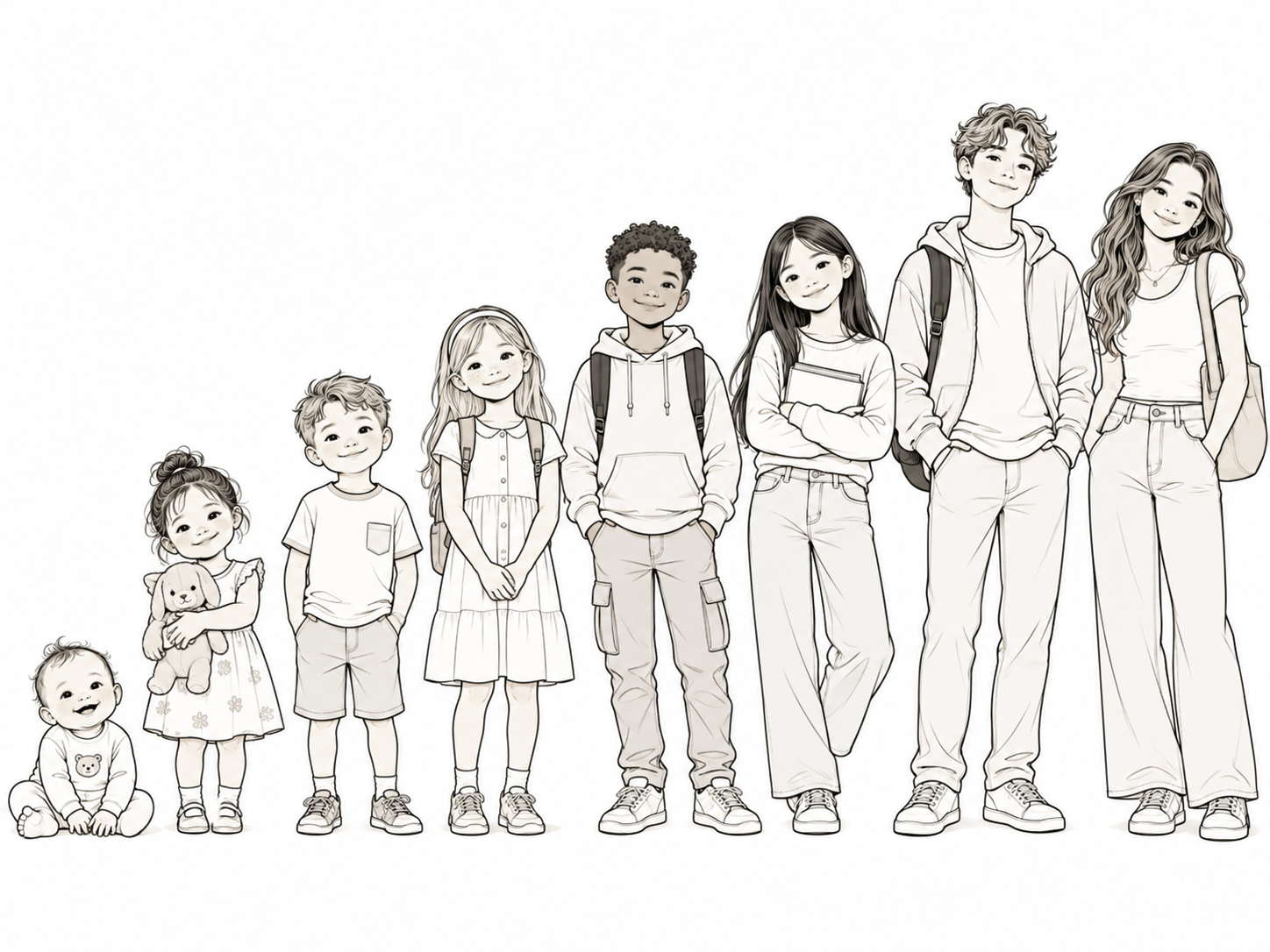
Your Year 7 is overwhelmed. Your Year 2 is dysregulated. Your Reception child is bewildered.
And you? You’re trying to hold a family together while the term stretches out like a marathon nobody trained for.
Why October Hits ADHD Brains Harder Than September
September is performance. October is reality.
ADHD children can mask through novelty. They cannot mask through repetition.
By October:
the timetable is relentless
the sensory load is constant
the independence expectations are unrealistic
the social complexity is exhausting
the homework is increasing
the adults are less patient
the cracks widen
This isn’t misbehaviour. This is capacity.
And capacity is gone.
The Multi‑Child Meltdown: Why It All Happens at Once
You’re not imagining it. Every child in the house is struggling — just in different ways.
Year 7:
Overwhelmed by transitions, crowds, expectations, independence, and the sheer scale of secondary school.
Year 2:
Emotionally overloaded, socially reactive, and still learning how to regulate. Kicking Johnny isn’t “naughty”. It’s dysregulation.
Reception:
Sensory overload. Confusion. Fatigue. No understanding of why this keeps happening every day.
Different ages. Same root cause. Too much, for too long.
The Honest Question: Will It Ever End?
Yes — but not soon.
There are still four weeks until half‑term. Four weeks of early mornings, crowded corridors, forgotten homework, lost water bottles, sensory overload, and the daily battle of “I don’t want to go”.
Four weeks of teachers running on fumes. Four weeks of children running on adrenaline and meltdown cycles. Four weeks of parents trying to keep everyone afloat.
This is the hardest stretch of the autumn term.
And it’s the stretch where families need support, not “consistency”.
What Actually Helps in October (The Real Version)
Forget fixing the whole week. Forget reinventing routines. Forget the perfect morning.
Pick one thing that is clearly breaking your child.
Then support that.
Here are the most common October breaking points:
the school gates
the corridor changeovers
the canteen
the bus
the first lesson
the homework transition
the after‑school crash
Choose one. Name it. Support it.
That’s how you stabilise October.
If you want help identifying the pattern, use the Parent Pattern Snapshot (download) — it’s built for exactly this moment in the term.
What Schools Need to Hear Right Now
Not the meltdown. Not the emotion. Not the chaos.
Schools act on impact, not behaviour.
Try:
“He can manage lessons, but the corridor transitions are triggering panic by 10.45.”
“She holds it together all day, but collapses within ten minutes of getting home.”
“He’s refusing school because the canteen is overwhelming, not because he’s being defiant.”
Specifics get support. Patterns get action. Impact gets taken seriously.
If you want help shaping this into a script, ask for a school conversation plan.
The Long Game: October to Christmas
This isn’t a six‑week settling‑in period. It’s five days a week for the rest of the school year.
The strategies that got you through September will not carry you through October.
October needs:
smaller goals
calmer mornings
predictable transitions
reduced demands
emotional decompression
honest communication
realistic expectations
If you want the full roadmap, my guide The First Six Weeks of Year 7 (download - bundle) explains exactly why September can look fine while October quietly unravels — and what to do before things fall apart.
Ask for a Year 7 survival plan and I’ll map it with you.
Final Word
Your children aren’t failing. They’re overwhelmed.
Your Year 7 isn’t refusing school because they’re difficult. Your Year 2 isn’t kicking Johnny because they’re naughty. Your Reception child isn’t confused because they’re behind.
They’re all navigating a world that is too loud, too fast, too demanding, and too relentless.
And October is where that becomes impossible to hide.
You’re not imagining it. You’re not alone. And you’re not expected to carry this without support.
